
Expert InsightsSolunexa’s Clinical Corner
Skincare tips, treatment guides, and the latest in medical aesthetics, straight from our clinical team.
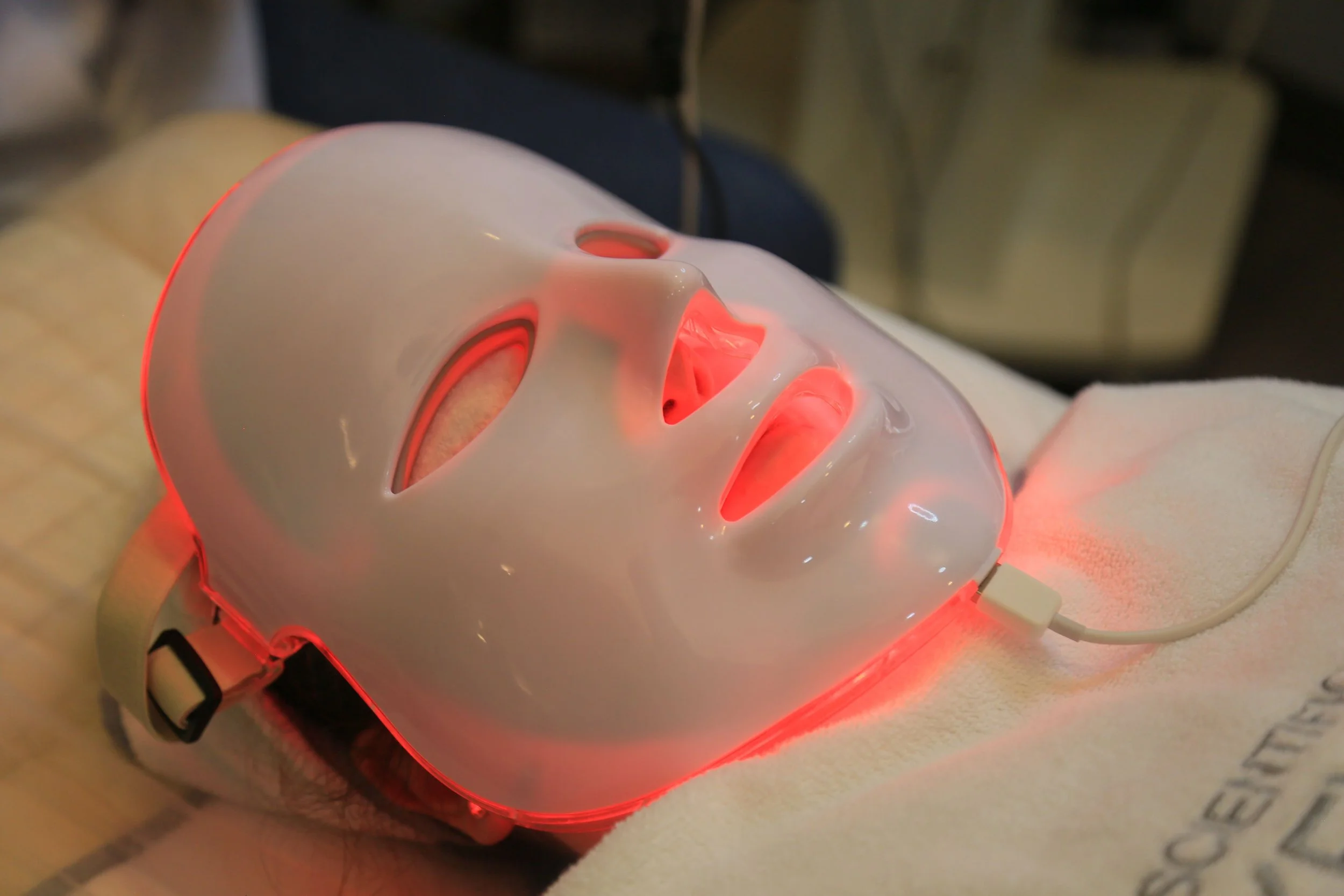
LED Facial Treatment for Redness Acne and Recovery
A simple guide to LED facial treatment, light colours, acne, redness, recovery support and treatment plans
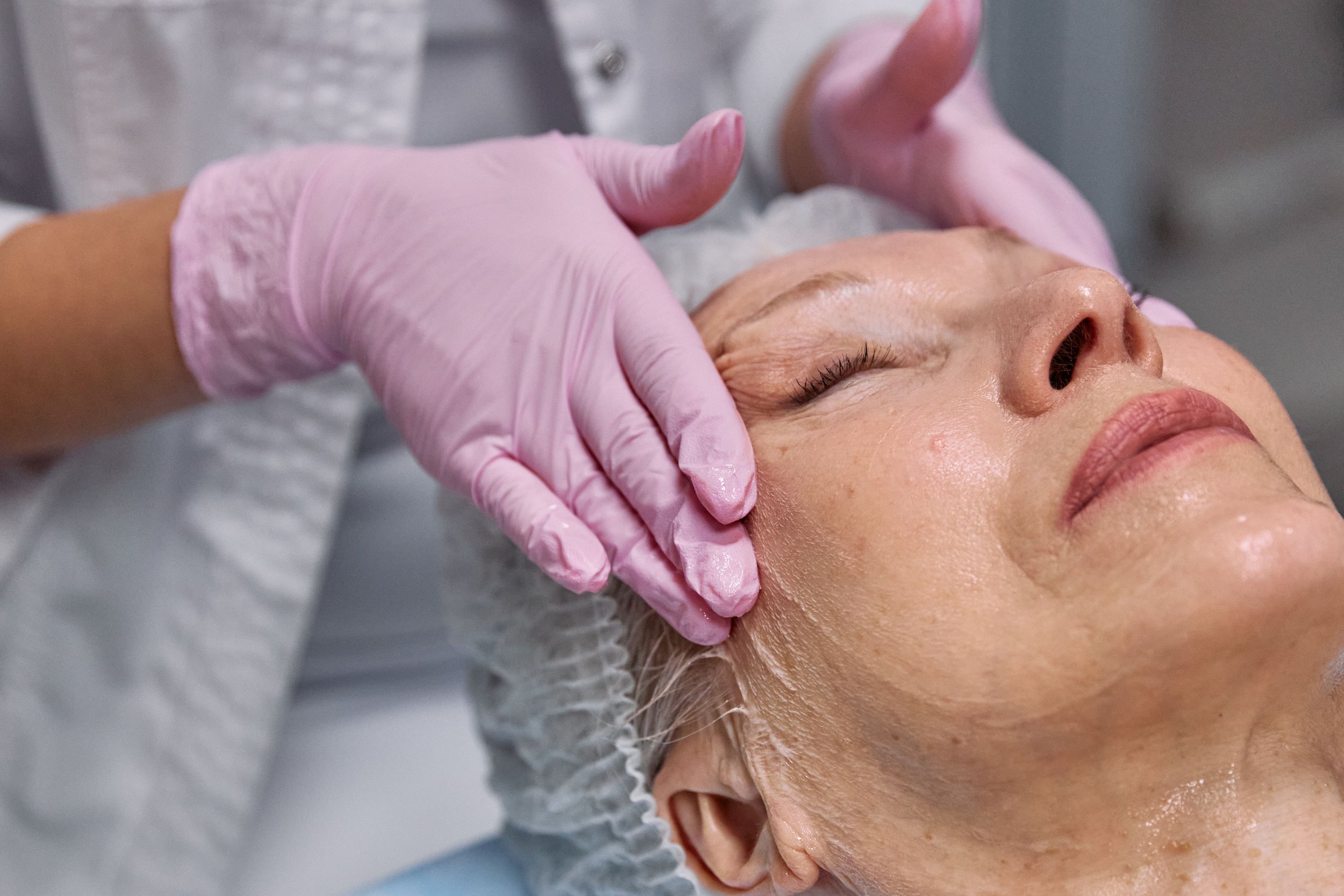
Dermaplaning Myths and Facts
Does dermaplaning make hair grow back thicker? Learn the facts, benefits, limits and aftercare

HydraFacial vs Chemical Peel
Compare HydraFacial and chemical peels by skin goals, downtime, sensitivity, results and treatment timing

Chemical Peels for Pigmentation and Acne Marks
Learn how chemical peels are used for pigmentation, acne marks and dull skin, plus what to expect after treatment

Microneedling for Acne Scars and Uneven Texture
Learn how microneedling is used for acne scars, texture and pores, including downtime, sessions and aftercare

Anti-Wrinkle Treatments, More Than Just Wrinkle Reduction
Most people associate anti-wrinkle treatments with reducing fine lines and wrinkles
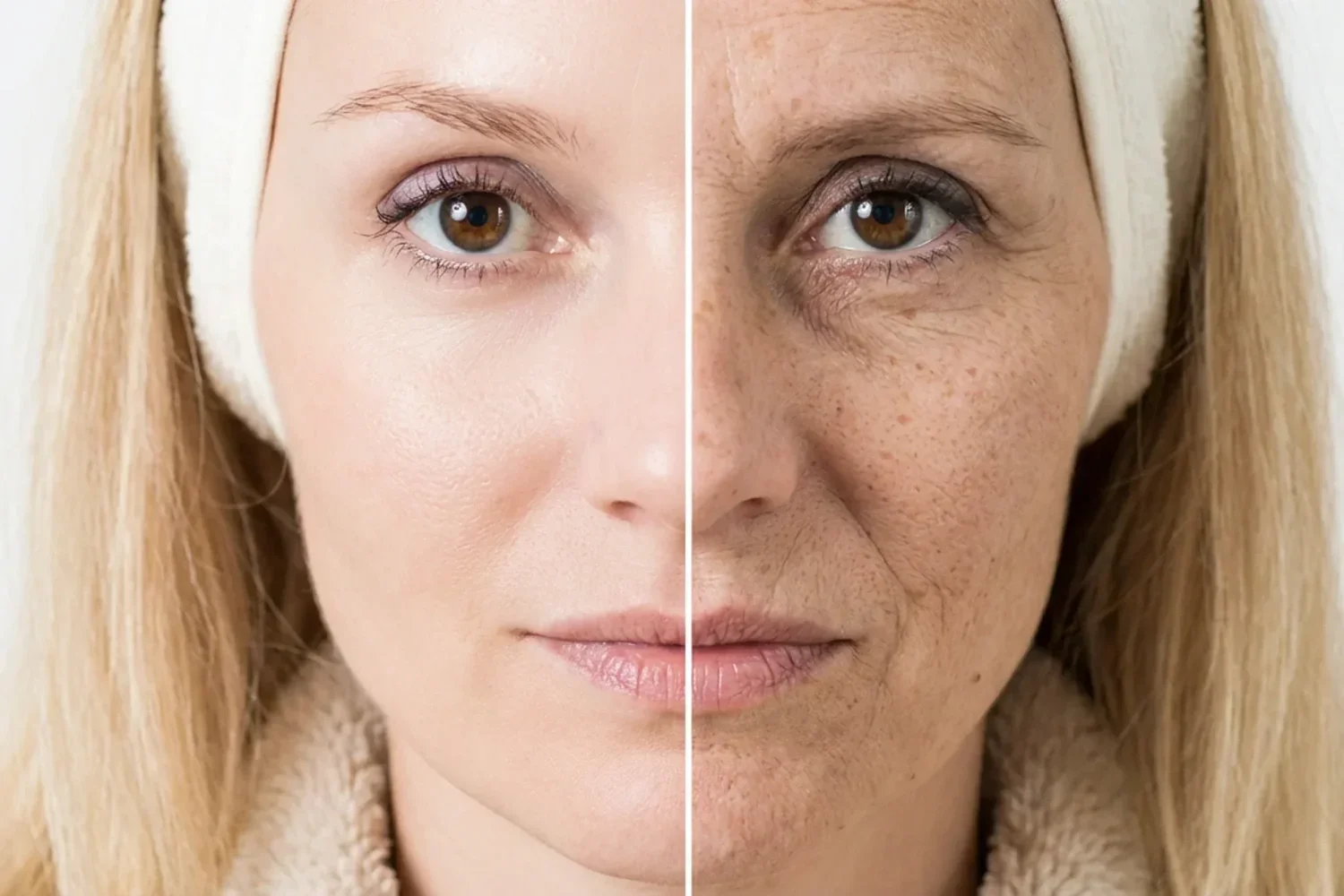
How Collagen Loss Affects Skin Texture
A clear guide to collagen loss, skin texture, firmness, pores and why collagen-focused treatments take time

Dynamic Lines and Static Lines Explained
Learn the difference between movement lines and resting lines, plus how clinicians assess facial lines before treatment
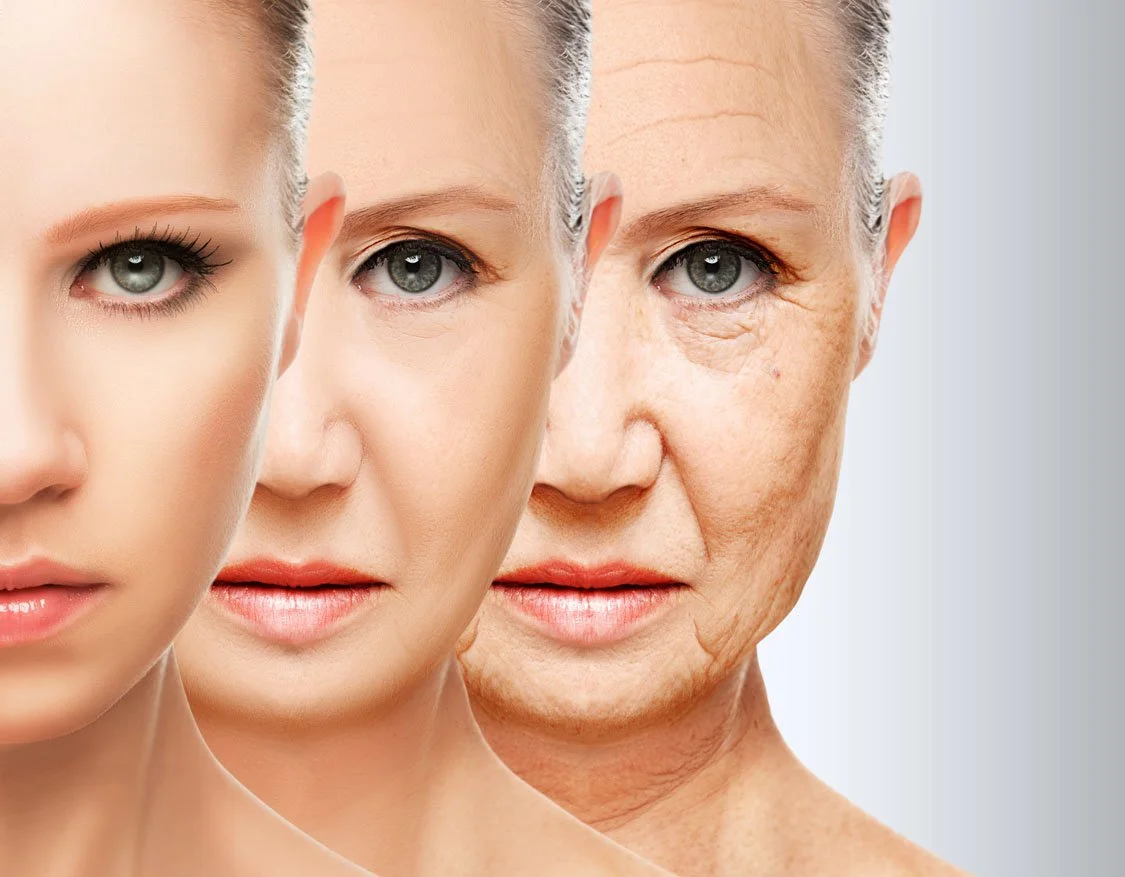
Skin Ageing in Your 30s 40s and 50s
Understand how skin ageing changes by decade and which skin care and clinic treatments may help at each stage

What Happens During a Skin Consultation
A plain guide to what happens during a skin consultation, what your clinician checks and how treatment plans are made

How to Choose an Aesthetic Clinic in Sale Manchester
Learn what to check before choosing an aesthetic clinic in Sale, from clinician training to consultation, safety and aftercare

hair- deeper then skin
Hair, one of the defining characteristics of mammals, plays a significant role in human society. It contributes to personal identity, style, and even perceptions of attractiveness

SUNLIGHT- A BALANCED MESSAGE
Growing evidence demonstrates diverse health promoting benefits of sunlight. Sunlight exposure is a complex, full-spectrum event